Ethical Leadership: A Complete Guide for Modern Leaders in 2026
In an era defined by rapid technological disruption, heightened social consciousness, and unprecedented transparency, the margin for leadership error has evaporated. The days when a leader’s effectiveness was measured solely by quarterly earnings or market share are long gone. Today, the most critical currency in business is trust—and trust is the direct byproduct of ethical leadership. As we navigate the complexities of 2026, where artificial intelligence makes decisions and remote teams span multiple continents, the demand for leaders who can navigate moral ambiguity with clarity and conviction has never been more urgent. Ethical leadership is no longer a “nice-to-have” soft skill; it is the strategic imperative that separates enduring organizations from cautionary tales.
This guide explores the foundational principles of ethical leadership, contrasts it with traditional management paradigms, and provides a pragmatic roadmap for professionals who aspire to lead with integrity in a cynical world. Whether you are an executive steering a multinational corporation or an entrepreneur building a startup from the ground up, understanding how to operationalize ethics is the cornerstone of sustainable success.
Defining Ethical Leadership: Beyond the Buzzword
Ethical leadership is often misconstrued as merely “not breaking the law” or “being nice to employees.” However, as a formal leadership style, it is a far more comprehensive and proactive philosophy. At its core, ethical leadership is the practice of demonstrating normatively appropriate conduct through personal actions and interpersonal relationships, and the promotion of such conduct to followers through two-way communication, reinforcement, and decision-making.
Unlike autocratic or transactional leadership styles that rely on positional power and compliance, ethical leadership is rooted in referent and expert power. It is not about wielding authority; it is about cultivating a shared moral compass. In practice, this means that the leader’s personal behavior becomes the blueprint for the organization’s culture. When a leader consistently chooses fairness over favoritism, honesty over expediency, and the collective good over personal gain, they establish a psychological contract with their team that transcends the written employment agreement.
Furthermore, ethical leadership is inherently proactive. It involves anticipating the ethical implications of business strategies before they manifest. It requires asking not just “Is this legal?” but “Is this right?” and “Is this sustainable for our stakeholders?” This distinction is critical in 2026, where regulatory frameworks often lag behind technological innovation, leaving a gray area that only a strong internal moral code can navigate.
The Core Principles of Ethical Leadership
To operationalize this leadership style, one must anchor themselves in a set of non-negotiable principles. These are not abstract ideals but actionable tenets that guide daily behavior and long-term strategy.
- Integrity: Consistency between words and actions. An ethical leader does not change their moral stance based on the audience or the pressure of the moment. They are predictable in their values, which creates a stable environment for the team.
- Respect: Valuing the inherent dignity of every individual. This means actively listening to dissenting opinions, valuing diversity of thought, and ensuring that psychological safety is a priority, not an afterthought.
- Transparency: Openness in communication and decision-making processes. While confidentiality has its place, ethical leaders err on the side of sharing information, ensuring that the “why” behind decisions is clear to all affected parties.
- Accountability: Accepting responsibility for outcomes, both good and bad. Ethical leaders do not scapegoat subordinates during a crisis; they absorb the blame and deflect the credit to the team during success.
- Fairness: Making decisions based on objective criteria and equal treatment. This applies to promotions, compensation, and the distribution of workloads, ensuring that no personal biases contaminate professional judgment.
These principles form the bedrock of a culture where employees feel valued and empowered. When these are in place, the leader does not need to micromanage; the team self-regulates based on the shared values that have been embedded in the organizational DNA.
Key Characteristics of an Ethical Leader
While principles define the philosophy, characteristics define the personality and behavior of the leader. These are the observable traits that team members cite when they describe a leader as “ethical.”
An ethical leader possesses a high degree of moral humility. They recognize that they do not have all the answers and are willing to admit when they are wrong. This vulnerability disarms conflict and encourages a culture of learning rather than blame. Coupled with this is moral courage—the willingness to make unpopular decisions that are right, even when they carry personal risk. In 2026, this might mean shutting down a lucrative product line because it exploits user data, or pushing back against a board that demands unrealistic targets that would compromise safety standards.
Additionally, ethical leaders are characterized by empathetic foresight. They possess the cognitive ability to trace a decision down the line to see who it impacts. They consider the supply chain worker, the end-user, and the community, not just the shareholder. This systems-thinking approach prevents unintended ethical violations that often arise from siloed decision-making. Finally, they exhibit unwavering consistency. They treat the intern with the same respect as the CEO, and they apply the same standards of honesty to a small internal report as they do to a public earnings call.
Benefits and Potential Drawbacks: A Balanced View
To fully embrace ethical leadership, one must understand its full spectrum of consequences. While the benefits are substantial and long-term, the path is not without friction, particularly in the short term. The following table outlines the pragmatic realities of this leadership style.
| Dimension | Benefits (The Long Game) | Potential Drawbacks (The Short-Term Friction) |
|---|---|---|
| Employee Engagement | High retention rates; employees feel safe to innovate and voice concerns, leading to higher productivity and lower turnover costs. | Slower decision-making initially, as leaders seek consensus and input, which can frustrate teams accustomed to rapid, top-down directives. |
| Brand Reputation | Strong customer loyalty; consumers in 2026 actively seek brands that align with their values, providing a competitive moat. | Potential loss of business from clients who prioritize cost or speed over ethical sourcing or labor practices. |
| Risk Management | Drastically reduced risk of regulatory fines, lawsuits, and public relations scandals that can wipe out years of profit. | Missed opportunities in “gray areas” that competitors might exploit, such as aggressive tax avoidance or data monetization loopholes. |
| Decision Velocity | Higher quality decisions that are sustainable; less time spent “re-doing” work due to ethical failures or backlash. | Moral dilemmas require deep analysis; the leader may suffer from “analysis paralysis” when weighing complex stakeholder impacts. |
As the table illustrates, ethical leadership requires a paradigm shift from short-term optimization to long-term value creation. The “drawbacks” are largely a matter of perception and timing; they are the costs of building a fortress, rather than a tent.
Real-World Application: Navigating the 2026 Landscape
How does this translate into the daily grind of business management? Consider the integration of Artificial Intelligence (AI) in the workplace—the defining challenge of 2026. An ethically deficient leader views AI solely as a cost-cutting tool, potentially laying off workers without consideration for retraining. In contrast, an ethical leader applies their principles to this challenge.
They practice transparency by openly communicating the potential impact of automation on specific roles. They practice fairness by implementing a robust reskilling program funded by the efficiency gains of the AI. They practice accountability by ensuring the algorithms used have bias checks, taking responsibility if the data sets lead to discriminatory outcomes. This approach transforms a potentially devastating event into a catalyst for organizational development and employee loyalty.
Another practical application lies in remote and hybrid work management. A traditional leader relies on surveillance software to ensure employees are “working.” An ethical leader relies on trust and output-based metrics. They recognize that respecting an employee’s autonomy and personal time leads to higher discretionary effort. By setting clear goals and judging performance on results rather than “butts in seats,” they foster a culture of respect that attracts top-tier talent who have endless options in the gig economy.
How to Develop Ethical Leadership Skills
Ethical leadership is not an innate trait; it is a muscle that must be trained. It requires deliberate practice and a commitment to professional development. Here is a practical roadmap for aspiring and current leaders to enhance their ethical quotient.
- Conduct a Personal Ethical Audit: Spend time reflecting on your core values. Write down three non-negotiable values that define who you are. Then, review your last five major decisions. Did they align with these values, or were they compromised by pressure? Identify the gap.
- Create a “Pre-Mortem” for Decisions: Before launching a major initiative, gather your team and ask, “It is six months from now, and this decision has led to an ethical scandal. What went wrong?” This exercise helps identify potential pitfalls and blind spots before they become reality.
- Implement a “Stakeholder Impact Assessment”: For significant decisions, create a simple checklist. List all stakeholders (employees, customers, community, shareholders, environment). For each, write down the specific impact of your decision. If any stakeholder group is significantly harmed, reassess the decision.
- Seek Disconfirming Feedback: Surround yourself with advisors who are not afraid to tell you that you are wrong. Actively ask for criticism of your ideas, and when you receive it, thank the person publicly. This builds a culture where ethical challenges are welcomed, not suppressed.
- Study Ethical Failures: Analyze case studies of companies like Enron, Theranos, or more recent tech scandals. Do not just look at what happened, but look at the leadership behaviors that allowed it to happen. Identify the “slippery slope” indicators so you can spot them in your own environment.
Common Misconceptions and Pitfalls to Avoid
Even with the best intentions, leaders often fall into traps that undermine their ethical authority. Understanding these misconceptions is vital for effective team management and executive leadership.
Misconception 1: “Ethics and Profit are Mutually Exclusive.” This is the most damaging myth. In the long run, ethical companies outperform their peers. Trust reduces transaction costs, attracts better talent, and secures customer loyalty. The “profit at all costs” model is a short-term strategy that inevitably leads to collapse.
Misconception 2: “Ethical Leadership means being Nice and Avoiding Conflict.” This is false. Ethical leaders are often tough and demanding. They hold people accountable to high standards of behavior and performance. Avoiding conflict to “keep the peace” is actually an ethical failure, as it allows toxic behavior to fester and harm the team.
Pitfall: The “Letter of the Law” Trap. Just because an action is legal does not mean it is ethical. Leaning too heavily on legal compliance is a cop-out. Ethical leadership requires going beyond the minimum requirement to consider the spirit of the law and the impact on human beings.
Pitfall: Ethical Fading. This is the gradual erosion of moral standards over time, often through small, incremental compromises. “Just this once” becomes “just this quarter.” To combat this, leaders must regularly step back and view their decisions from an outside perspective, asking, “Would I be comfortable if this was on the front page of the newspaper?”
Conclusion: The Legacy of Integrity
In the volatile, uncertain, complex, and ambiguous world of 2026, ethical leadership is the anchor that stabilizes the ship. It is not a rigid set of rules, but a dynamic framework for navigating the tension between business success and human dignity. The leaders who will define the next decade are not necessarily the smartest or the most aggressive; they are the ones who understand that sustainable business leadership is built on a foundation of moral clarity.
The actionable takeaway is this: Start today. Do not wait for a crisis to force you into an ethical stance. Define your values, communicate them relentlessly, and hold yourself and your team accountable to them. Embrace the friction of moral dilemmas as opportunities for growth, and lead with the courage to do what is right, not just what is easy. In doing so, you will not only build a successful organization, but you will also build a legacy of trust that outlasts any balance sheet.
Further Reading
- Transactional Leadership: A Complete Guide for Modern Leaders in 2026
- Authentic Leadership: A Complete Guide for Modern Leaders in 2026
For more leadership insights, explore The Minimalist Leader: Achieving More with Autonomous Teams by Sarah Abraham — available now on Google Play Books.
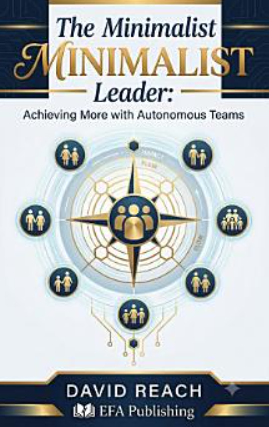
Lead Smarter, Not Harder
Discover proven strategies for leading with clarity, empowering autonomous teams, and achieving more with less. This practical ebook by Sarah Abraham is essential reading for modern leaders.
Disclaimer: This article is for informational and educational purposes only. Always adapt leadership strategies to your specific context and organizational culture.
Leave a Reply