Servant Leadership: A Complete Guide for Modern Leaders in 2026
In an era defined by rapid technological disruption, hybrid work models, and a growing demand for psychological safety, the traditional command-and-control leadership style is rapidly becoming obsolete. Employees no longer respond to authority for authority’s sake. They seek purpose, autonomy, and genuine care from their leaders. This is precisely why servant leadership has moved from a fringe philosophy to a mainstream, evidence-based strategy for organizational success.
Coined by Robert K. Greenleaf in 1970, servant leadership flips the traditional hierarchy. Instead of employees serving the leader, the leader serves the employees. In 2026, this approach is not just a nice-to-have; it is a competitive advantage. Organizations that embrace this leadership style report higher retention rates, stronger innovation, and deeper employee engagement. This guide will provide you with a comprehensive, actionable roadmap to understanding and implementing servant leadership in your organization today.
What Is Servant Leadership? The Core Philosophy
At its heart, servant leadership is a paradoxical concept. A leader must first be a servant. The primary motivation is not to gain power, but to serve others—employees, customers, and the community. This is distinct from other leadership styles where the primary goal is the organization’s success, often at the expense of people.
The core philosophy rests on a simple shift: “Do those you lead grow as persons? Do they become healthier, wiser, freer, more autonomous, and more likely themselves to become servants?” (Greenleaf). When the answer is yes, you are practicing servant leadership. This approach is deeply intertwined with organizational development because it focuses on building systems that support human growth, which in turn drives business results.
10 Key Characteristics of a Servant Leader
Understanding the traits of a servant leader is the first step toward adoption. Based on the seminal work of Larry C. Spears, these are the ten most critical characteristics for modern executive leadership:
- Listening: A servant leader actively listens to understand, not to reply. They seek to hear what is being said (and unsaid) by their team.
- Empathy: They strive to understand and accept others’ perspectives and feelings without judgment. This builds deep trust.
- Healing: Great leaders recognize that their team members carry emotional and professional wounds. Servant leaders create an environment where healing from past failures or conflicts is possible.
- Awareness: Self-awareness and general awareness are critical. They understand their own biases and how their actions impact the system.
- Persuasion: Rather than using positional authority or coercion, they rely on clear, logical persuasion to build consensus and commitment.
- Conceptualization: They balance the daily grind with a clear vision for the future. They think big while serving small.
- Foresight: A keen ability to learn from the past, understand the present, and predict the likely outcome of a decision.
- Stewardship: They hold their organization and team in trust. They are accountable for the resources and people entrusted to them.
- Commitment to the Growth of People: This is non-negotiable. They invest time, budget, and energy into the professional development of every team member.
- Building Community: Servant leaders actively foster a sense of belonging and shared purpose within the organization.
Benefits vs. Potential Drawbacks
While servant leadership is highly effective, it is not a panacea. It requires a specific context and a mature leader. The table below provides a balanced view of the leadership outcomes.
| Benefits of Servant Leadership | Potential Drawbacks & Risks |
|---|---|
|
|
As a business leadership strategy, the benefits almost always outweigh the drawbacks when the leader is patient and the organization is committed to long-term growth rather than short-term gains. The key is to integrate the “servant” mindset with strong management discipline.
Real-World Application: How Modern Leaders Use It
Servant leadership is not theoretical. Some of the world’s most successful companies have built their cultures around it. Consider these contemporary examples:
- Satya Nadella at Microsoft: When Nadella took over, Microsoft was known for a “know-it-all” culture. He shifted it to a “learn-it-all” culture by emphasizing empathy, listening, and removing bureaucratic barriers. He served the engineers by giving them permission to fail and learn. This single shift in leadership style led to a massive resurgence in innovation and market value.
- Cheryl Bachelder, former CEO of Popeyes: She famously applied servant leadership to turn around a struggling brand. She focused on serving the franchisees (her direct customers) by providing them with better tools, training, and support. The result? A dramatic increase in sales and franchisee satisfaction.
- Alan Mulally at Ford: During the 2008 financial crisis, Mulally used a servant-leader approach to save Ford. He created “One Ford” by listening to every executive, fostering a culture of transparency (the “red, yellow, green” status reports), and removing his own ego from decision-making. He served the team by creating a safe space for brutal honesty.
In each case, the leader did not act as a hero. They acted as a platform—removing obstacles, providing resources, and empowering others to do their best work. This is the essence of modern team management.
How to Develop a Servant Leadership Style (Actionable Steps)
Transitioning to a servant leadership style requires deliberate practice. You cannot simply declare yourself a servant leader. Here is a step-by-step guide for your professional development:
- Start with a Listening Audit: For one week, track how much time you spend talking versus listening in meetings. Aim for a 1:3 ratio. Ask more open-ended questions like, “What do you need from me to succeed?”
- Flip the Pyramid: In your next team meeting, explicitly state: “My job is to remove your obstacles. Your job is to do the work. Tell me what is blocking you.” Then, act on that feedback within 48 hours.
- Invest in Growth, Not Just Output: Shift 20% of your one-on-one meeting time away from project updates and toward career development. Ask: “What skill do you want to build next?” and “How can I help you get there?”
- Practice Radical Empathy: When a team member makes a mistake, resist the urge to punish. Instead, ask: “What can we learn from this?” and “What support do you need to avoid this in the future?” This builds the healing characteristic.
- Develop Your Foresight: Block 30 minutes weekly to think about the long-term impact of your decisions on your people, not just the P&L. Write down three potential unintended consequences of your current strategy.
Remember, this is a journey. You will make mistakes. The best leadership skills are honed through reflection and feedback. Ask your team for a 360-degree review on how well you serve them.
Common Misconceptions and Mistakes to Avoid
Despite its growing popularity, many leaders misunderstand servant leadership. Avoid these common traps:
- Misconception: Servant leaders are pushovers. This is false. Servant leadership requires immense courage. You must be willing to have difficult conversations, hold people accountable, and make unpopular decisions for the long-term good of the team. You serve the team by maintaining high standards, not by being nice.
- Mistake: Pleasing everyone. A servant leader serves the mission and the team’s health, not every individual’s immediate desire. Saying “no” to a request that harms the team is an act of service.
- Misconception: It is a slow, soft approach. In reality, servant leadership accelerates execution. When people feel safe and supported, they move faster because they are not bogged down by politics, fear, or bureaucracy.
- Mistake: Neglecting self-care. If you are always serving others and never refueling, you will burn out. A burnt-out leader cannot serve anyone. Prioritize your own health, learning, and boundaries. This is not selfish; it is sustainable executive leadership.
- Misconception: It only works in non-profits. As seen with Nadella and Bachelder, servant leadership drives profit by building a more resilient and innovative workforce. It is a powerful strategy for any sector.
For more leadership insights, explore The Minimalist Leader: Achieving More with Autonomous Teams by Sarah Abraham — available now on Google Play Books.
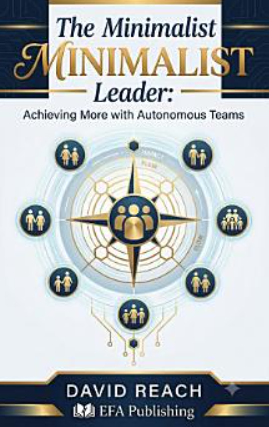
Lead Smarter, Not Harder
Discover proven strategies for leading with clarity, empowering autonomous teams, and achieving more with less. This practical ebook by Sarah Abraham is essential reading for modern leaders.
Conclusion: Your Actionable Takeaway
Servant leadership is not a soft skill; it is a hard strategy for a complex world. As we move deeper into 2026, the leaders who will thrive are those who understand that their job is not to be the smartest person in the room, but to create the conditions for everyone else to be brilliant.
Your immediate action: This week, pick one team member who is struggling or disengaged. Instead of giving them advice, spend 30 minutes just listening. Ask them what they need. Do not judge, do not fix. Just listen and commit to removing one barrier they identify. That single act is the first step toward mastering servant leadership.
The future of organizational development depends on leaders who are willing to serve first. Are you ready to lead from the bottom?
Further Reading
Disclaimer: This article is for informational and educational purposes only. Always adapt leadership strategies to your specific context and organizational culture.
Leave a Reply